Independent sauna guidance
A home sauna is a serious project. Plan it like one.
Clear, honest guidance for choosing, building and living with your own home sauna. From first idea to first löyly, the steam that rises when water hits hot stones, we walk you through every real decision: type, size, heater, wood, wiring, permits and cost.
Where are you now
Start at your own stage
You like the idea, but the choices are loud
Traditional or infrared. Barrel or built-in. Kit or custom. Every showroom and forum will tell you something different, usually toward the thing they sell. We are an independent publisher: not a manufacturer, not a retailer, not a builder. We do not sell saunas, and we are not affiliated with Harvia, Huum, Almost Heaven, Sunlighten, Finnleo, Clearlight or any other brand.
Our choosing guides compare the types on the things that actually change your experience: heat feel, humidity, warmup time, footprint and what it takes to wire and place one in a US home.
You have a space and a rough budget
This is where the real numbers start. Sizing in cubic feet, heater power in kW, clearances to combustibles, vapor barrier placement, ventilation paths, and whether your panel can carry a new 240V circuit.
If you frame and panel the room yourself, our build guides keep you in safe territory: framing, insulation, foil vapor barrier and bench layout. The 240V heater circuit is work for a licensed electrician following the NEC and local code, and our electrical articles explain what that pro will do and what the permit covers.
The sauna is in. Now make it good
A first session should be about 10 to 15 minutes at 160 to 180°F (71 to 82°C) while you learn how your heater behaves, not a test of endurance. Our use and upkeep guides cover warmup times, how much water on the stones, how to air the room out, and how to keep cedar looking and smelling right for years.
How we work
Why you can trust what you read here
Organized by your step
Every article is filed by sauna type and owner journey stage, so you land on exactly the step you are at. No wading through sales pages to find one wiring detail.
Residential and practical
All advice stays in real US units: cubic feet, kW, volts and amps, and honest cost ranges. Costs come with a worked example and every assumption written out, so you can plug in your own utility rate.
We advise against
When infrared will not give you steam, when a barrel does not fit your space, when your basement needs ventilation before anything else, we say so plainly. A poor fit costs you more than honesty does.
Specs, not press kits
Product notes are based on manufacturer specs, manuals and independent sources, never on glossy press material. Electrical and structural guidance describes what a licensed pro will do, with permits and code named.
What we are
Independent, by design
100% independent
No saunas sold, no brand ties, no affiliate pressure on our advice
3 sauna types
Traditional, infrared and wood-fired, each covered on its own terms
4 journey stages
Choosing, planning, building, owning: every article fits one step
1 honest range
Every cost guide states its assumptions so you can check the math
The decision most people get wrong: infrared is not a wet sauna
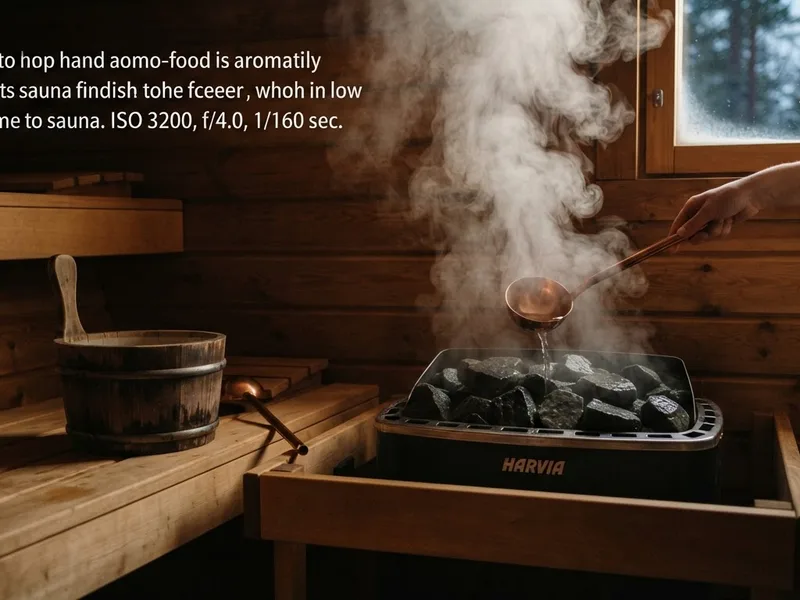
If your picture of a sauna includes a ladle of water hitting stones and a wave of steam, that is löyly, and only a traditional heater with stones gives it to you. Infrared panels warm your body directly at lower air temperatures, usually 120 to 140°F (49 to 60°C), and you cannot pour water on them.
Neither is wrong, but they are different experiences with different wiring, different warm up times and different running costs. Infrared often runs on a standard 120V outlet. A traditional heater of 4.5 to 9 kW usually needs a dedicated 240V circuit installed by a licensed electrician under NEC rules and a local permit.
Our type comparison lays out both honestly, including the cases where we would tell you not to buy the one you had your heart set on.
The usual path
From first idea to first session
Pick the type that fits how you bathe
Steam and high heat, or gentle dry warmth. Indoor room, basement, backyard barrel. This choice drives everything after it, so we start here.
Size the room and the heater
Aim for roughly 6.5 to 7 feet of ceiling and size the heater to cubic feet, not floor area. A common home room of 4 by 6 feet at 7 feet high is about 168 cubic feet, which lands you in 4.5 to 6 kW territory.
Plan power and placement
Check your electrical panel capacity, the circuit route, and clearances to combustibles before you buy anything. A licensed electrician pulls the permit and does the 240V work.
Build or buy
Frame and panel a custom room, assemble a kit, or set a barrel on a prepared pad outside. We cover materials, vapor barrier and bench heights for each route.
Learn to use and keep it
Warmup, water on stones, cooling between rounds, airing out the room, and simple cedar care. A well kept home sauna lasts decades. It rewards a little routine.
Questions we hear most
Is Heat & Cedar affiliated with any sauna brand?
No. We are an independent publisher. We do not sell saunas or heaters, we do not build them, and we have no affiliation with Harvia, Huum, Almost Heaven, Sunlighten, Finnleo, Clearlight or any other manufacturer or retailer.
How much does it cost to run a home sauna?
Less than most people fear. A 6 kW heater running for a 90 minute evening, including warmup, uses roughly 8 to 9 kWh. At a typical US residential rate, that is a modest per session cost, and every running cost guide on this site shows the worked example with assumptions written out so you can plug in your own utility rate.
Can I wire a sauna heater myself?
The 240V heater circuit is work for a licensed electrician following the NEC and your local code, with a permit where required. DIY builders often do the framing, insulation and paneling themselves and hire the electrician for the circuit. Our electrical articles explain what the pro will do so you can plan and budget, not so you can open the panel.
Traditional or infrared: which should I choose?
Choose traditional if you want steam, high heat of 160 to 195°F (71 to 90°C) and the classic ritual. Choose infrared if you want lower air temperatures, faster warmup and simpler power needs. If you want to pour water on stones, infrared will not do that, and we say so before you spend money.
Can a sauna go in my basement?
Often yes, but the room needs to breathe. Basements with moisture issues or no ventilation path need that fixed first, before any cedar goes up. Our placement guides cover ceiling height, floor surfaces and when a basement is simply the wrong room.
Not sure which step is yours?
Tell us where you are, what space you have and what kind of heat you are after. We will point you to the right starting point, with the same honesty you will find across the site.